
Tracts
What are Tracts
A tract is parcel of land that can be owned by one or more land owners of the minerals underneath the surface. A tract of land is found through the tax assessor. The tract is described on the oil and gas lease. The depth most favorable to the mineral owner, who is the “Lessor”, would be based on the deepest perforation in the well from which it is then producing.
There are different types of tracts that can be leased
All Depths
From the surface of the earth or the basement of the earth.
Depth Severed
The mineral tracts are severed by footage or depths
Depth Clause
Operators are drilling wells being re-drilled at greater depths to access previously inaccessible formations as a result of technological advancements, particularly in the shale plays. When these untapped formations are found or become viable to drill, having the deep rights open will allow the mineral owner to offer “deep rights” for lease again.
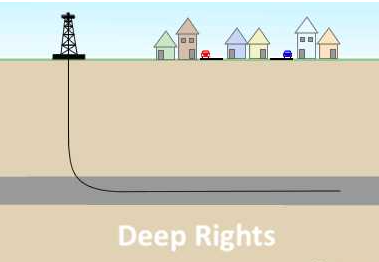
What is included in a Tract
Why are Tracts Important
Oil and gas exploration companies generally want to hold the leased mineral rights for a period of years until they actually begin drilling. A good lease is about maximizing economic gains, protecting the land resource and its usability. The terms agreed upon in your lease have the potential to affect the future operations of the farm and the real-estate value.
Who Benefits from Tracts
Land Owners
Surface Owners
Operators
Brokers
The Public
What Configurations apply when using Land – RESEARCH
LAND: true
How to Access Land in the system
Please see Land User Manual:
How does this concept impact/feed other areas in the application?
Revenue
JIB
GIS
Frequently Asked Client Questions
Links provided are from W Energy Software Support Confluence Space